


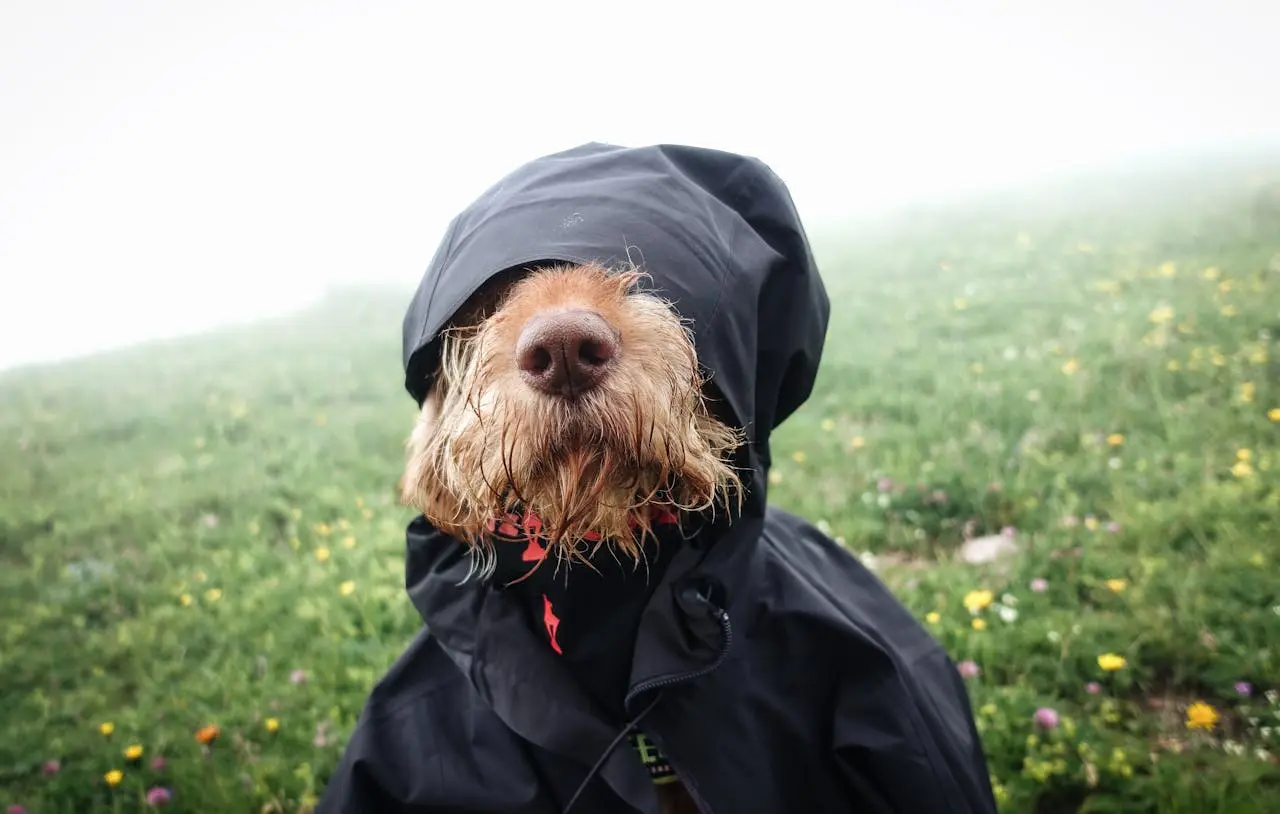
Seasonal shedding is a natural and necessary process for dogs and cats, ensuring their coats are appropriately managed for the changing weather. However, for owners, it often means finding pet hair everywhere. More importantly, it requires careful grooming and dietary adjustments to keep your pet’s skin healthy and their coat in peak condition.
A beautiful coat is often the clearest indicator of internal health. Here is a guide to managing the seasonal shed effectively and promoting a shiny, vibrant coat all year long.
The Science of Shedding
Pets shed primarily in spring and fall. In the spring, they lose the thick undercoat they grew for winter. In the fall, they shed their lighter summer coat to make room for the dense winter protection. This process is influenced by sunlight and temperature, which is why indoor pets might shed year-round, as their environment is more stable.
Effective management focuses on two key areas: external grooming and internal nutrition.
1. External Care: The Grooming Routine
Consistent grooming is the single most effective way to control shedding and keep your pet comfortable.
- Daily Brushing: Investing in the right tools is paramount. For double-coated breeds (like Huskies, Shepherds, and many retrievers), a high-quality deshedding tool or undercoat rake is essential to gently remove loose fur before it ends up on your furniture. For short-haired pets, a rubber curry brush or grooming glove helps lift dead hair and stimulate the skin.
- The Power of the Bath: Regular bathing helps loosen dead hair, allowing it to be easily brushed out. Always use a mild, pH-balanced pet shampoo to avoid stripping essential oils from the skin, which can lead to dryness and excessive scratching. Follow up with a good conditioner to lock in moisture.
- Professional Help: During peak shedding season, consider professional grooming. Groomers often have high-velocity blow dryers that can remove much more loose hair than air drying alone, significantly reducing the amount of fur shed at home for weeks.
2. Internal Health: Diet and Supplements
No matter how often you brush, a dry, dull coat is often a sign that something is missing internally. You can’t out-groom a bad diet.
- Fatty Acids are Key: The most crucial nutritional component for coat health is Omega-3 and Omega-6 fatty acids. These supplements (found in fish oil, flaxseed, and coconut oil) nourish the skin, reduce inflammation, and lead to a softer, healthier coat with less breakage.
- Quality Protein: Ensure your pet’s food contains high-quality, easily digestible protein sources. Keratin, the protein that makes up hair, requires a solid protein foundation to grow strong.
- Hydration: Always ensure your pet has access to fresh, clean water. Dehydrated skin is dry skin, and dry skin means a dull coat and increased shedding.
By combining proactive grooming with optimal nutrition, you not only manage the seasonal shed but actively support your pet’s overall health, rewarding them with a beautifully vibrant and touchably soft coat.
