
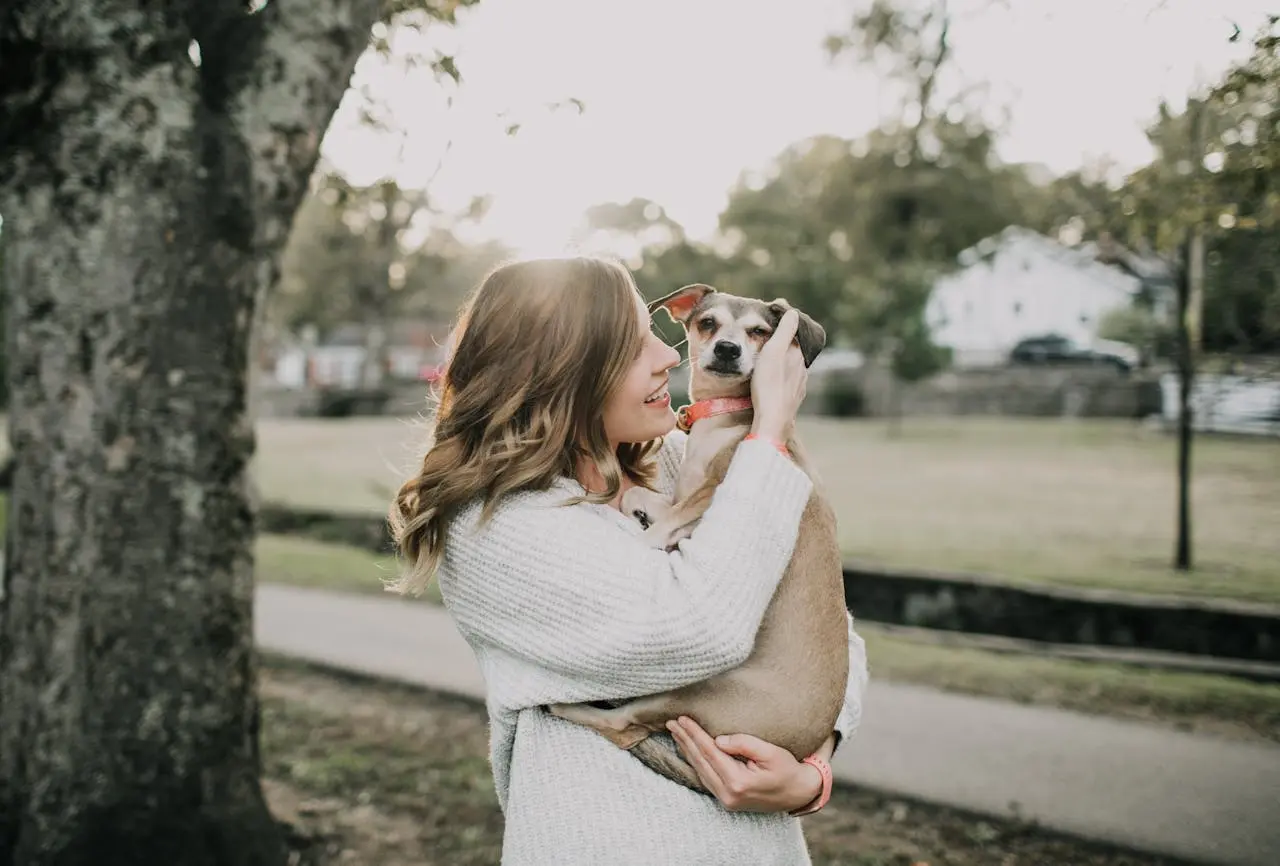
Your dog speaks to you every day, but their language isn’t made of barks and whines—it’s a complex, silent vocabulary of wags, glances, and postures. As devoted pet owners, learning to decode your dog’s body language is the most powerful tool you have for strengthening your bond, preventing anxiety, and ensuring they feel understood and safe in your home.
Moving beyond simple cues like a wagging tail (which doesn’t always mean happiness!), here is a guide to understanding the nuanced signals your dog uses to communicate their feelings about their environment, other pets, and you.
Understanding The “Calming Signals”
Dogs instinctively use a set of behaviors called “calming signals” to communicate they are friendly, non-threatening, or feeling stressed. Spotting these is key to catching anxiety before it escalates.
| The Signal | What it Looks Like | What it Really Means |
| Yawning | A slow, intentional yawn when the dog isn’t tired. | “I’m uncomfortable/stressed.” Often used in new environments, during training, or when meeting a new dog. |
| Head Turns | Quickly turning the head away from a person or dog. | “Please don’t approach me/I mean no harm.” It’s a deferential gesture used to diffuse tension. |
| Lip Licking | A fast flick of the tongue over the nose. | “I’m worried” or “I’m stressed.” You’ll often see this at the vet’s office or when being scolded. |
| Panting (No Heat) | Fast, shallow panting when not physically hot. | Emotional stress or excitement. Pay attention to the context—if they’re not running, they’re reacting emotionally to something. |
The Vocabulary of Posture
A dog’s entire body tells a story. Pay close attention to how they carry their weight, their tail position, and the tension in their muscles.
- The Happy-Go-Lucky Stance: A relaxed dog holds their weight evenly, with the head held neutrally and the tail wagging in a wide, fluid motion, often involving the entire back half of their body. Their ears are relaxed, and their muscles are soft.
- The Play Bow: The classic invitation to play! The dog’s front end is lowered to the ground, rear end is up, and the tail is usually wagging. This is universally friendly.
- The Tense Freeze: The dog stops moving, holds their breath, and their body becomes rigid and still. This is often a precursor to a reaction (either fight or flight) and is a serious warning sign. Do not approach a dog in this state.
- The “C” Curve: When a dog curves their back or body into a gentle “C” shape when greeting a person or another dog, it’s a polite, non-confrontational way of saying, “I’m approaching, but I’m being respectful.”
Deciphering the Tail and Ears
While easy to spot, these features are often misinterpreted.
The Tail
- Mid-Level Wag: Generally happy and relaxed.
- High, Fast, Stiff Wag: Often indicates excitement mixed with arousal or anxiety. The dog is highly interested but potentially tense. This is not the same as a relaxed, loose wag.
- Tucked Tail: The clear signal of fear, anxiety, or submission. The dog is trying to make itself small and disappear.
The Ears
- Relaxed and Floppy: Happy and comfortable.
- Pushed Back and Flat: A strong sign of fear or submission.
- Forward and Rigid: The dog is highly alert, focused, and investigative. They are trying to gather information and may be preparing to react.
By observing these signals, you become a better communicator, capable of intervening when your dog is stressed and reinforcing their confidence when they are calm. This deeper level of understanding is the foundation of a truly harmonious relationship.
